Purim Gifts Against Empire
On knowing your finances, mishloach manot & matanot levyonim, and interpreting an old story.
Growing up on the north side of Chicago, on a block of Lubavitcher and holocaust survivor neighbors, I remember the mountains of gift bags that would accumulate on our doorstep on Purim—little bottles of kedem grape juice, clementines, hamantaschen, kosher candies wrapped in bright foil. (And from the survivors, chocolate with alcohol in them). Mishloach manot, or shluch monis in ashkenazis, were a big part of my childhood, always feeling more genuinely festive than the standard pillowcase Halloween haul.
On Purim, it is a custom to give gifts of food to your friends and community, mishloach manot, and gifts of money to those in need, matanot levyonim. These acts of giving are central to this topsy-turvy holiday, but they are also distinct: we give treats to our friends because celebration keeps us connected and alive, and out of care for those in our midst who are materially struggling, we don't presume to know what they need. That's why the obligation is giving money.
The observances of Purim teaches these simple ideas: tell a story, then turn to your neighbor. From each according to their gifts. To each according to their need.
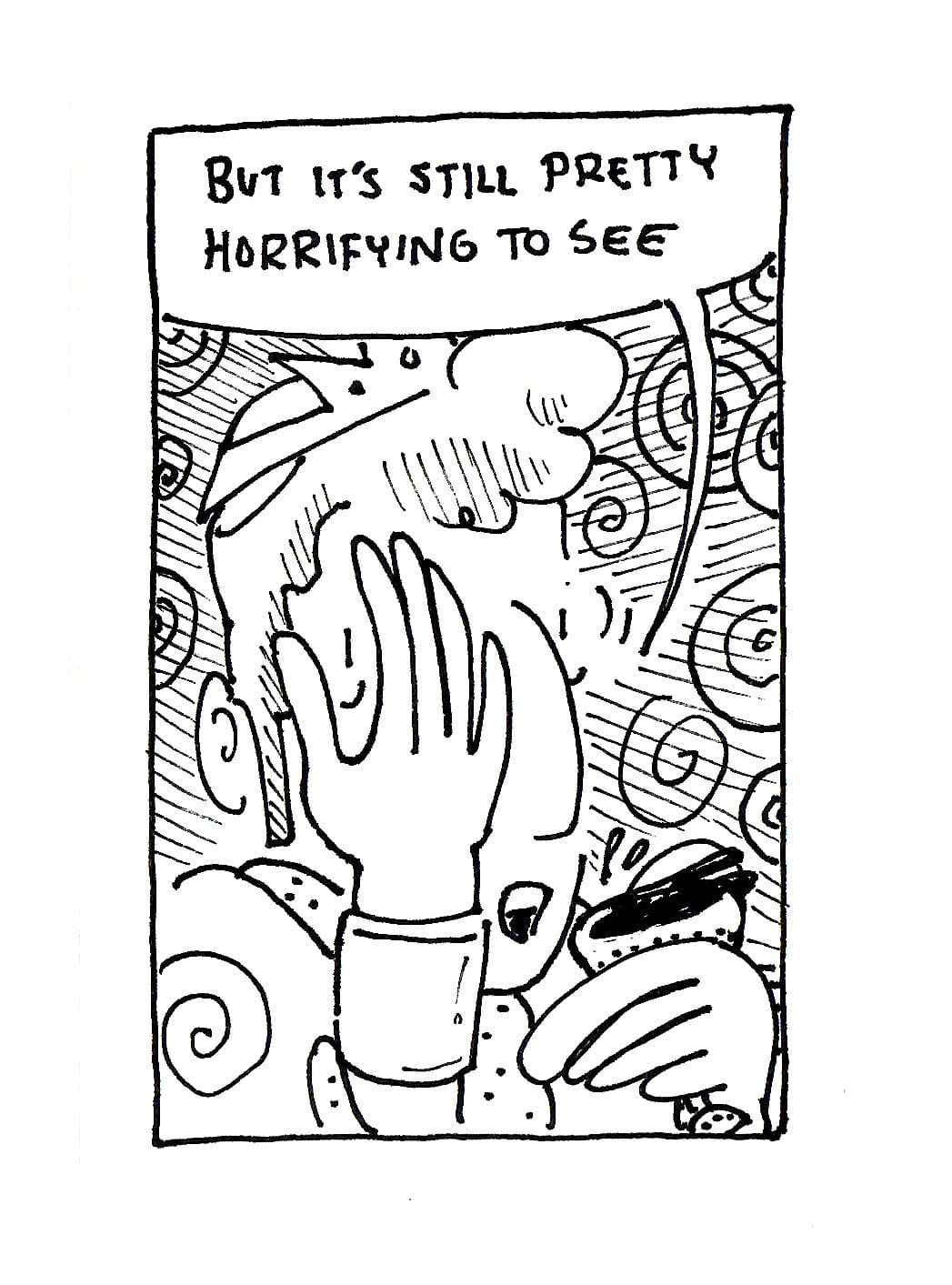
There is a tale about a poor man who knocked on the door of a hasid while that hasid was studying with his teacher. When the man at the door asked for food, the hasid clasped him on the shoulder and said, "What you need is to learn Torah! Come, we'll study together!" Overhearing this interaction, the hasid's teacher, a great Rebbe of the province, went running into the kitchen and grabbed a loaf of bread. He handed the man the loaf as well as several coins, so he might buy what else he needed. Then he turned to the student and rebuked him: Bread cannot be substituted for Torah. How dare his student be so arrogant to assume he knew what another person needed better than the asker themself!
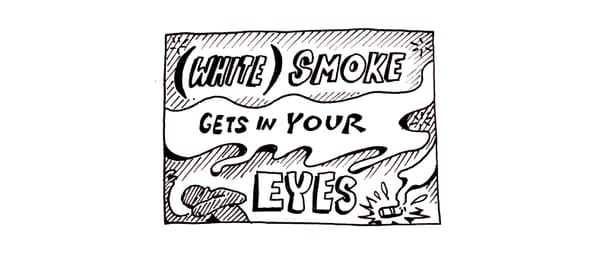
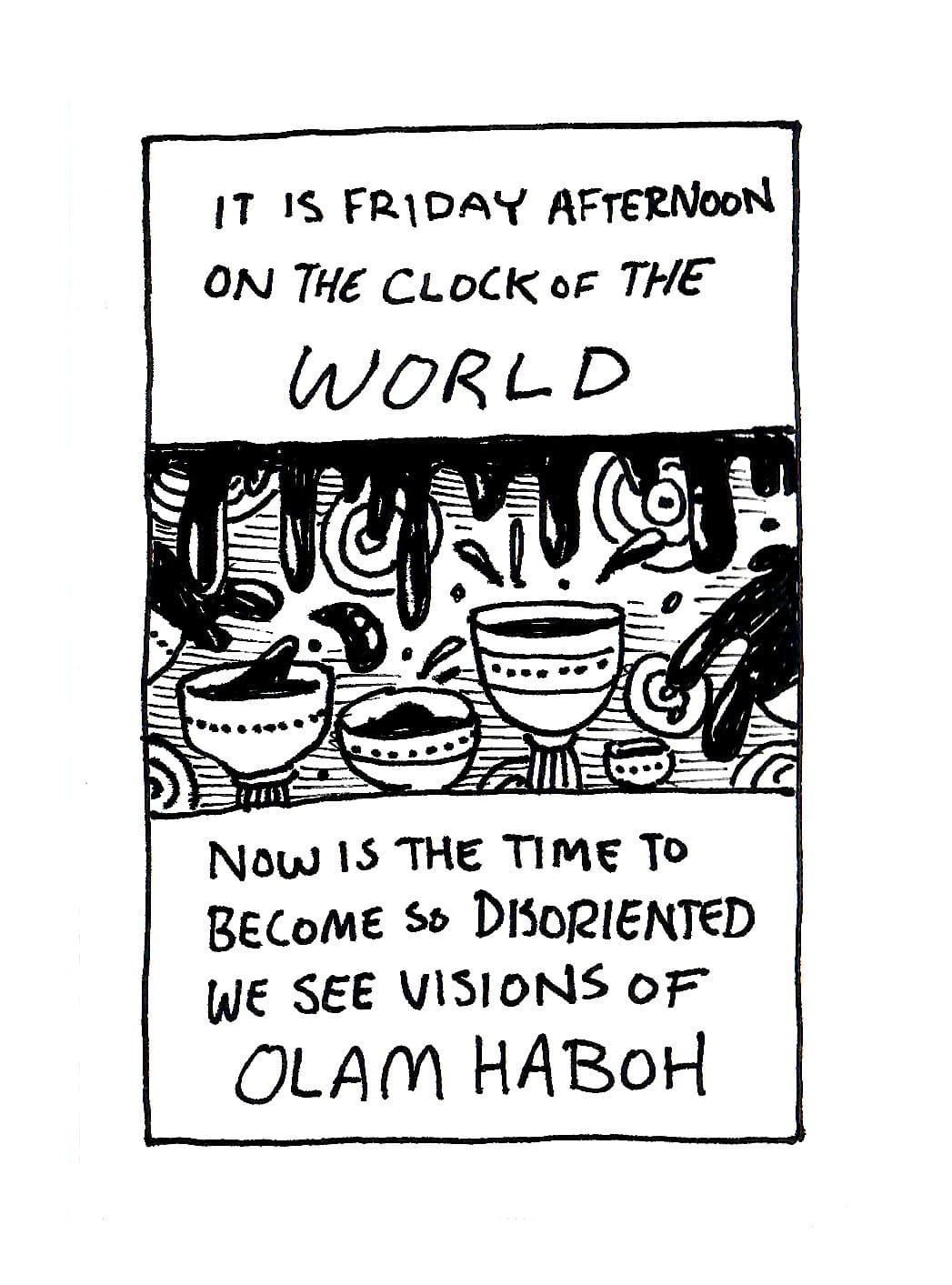
Usually this holiday is spent in a raucous party, drinking til one "cannot tell the difference between the good of Mordechai and the evil of Haman." Though I didn't get a hangover last night, I am disoriented today, as the holiday demands.
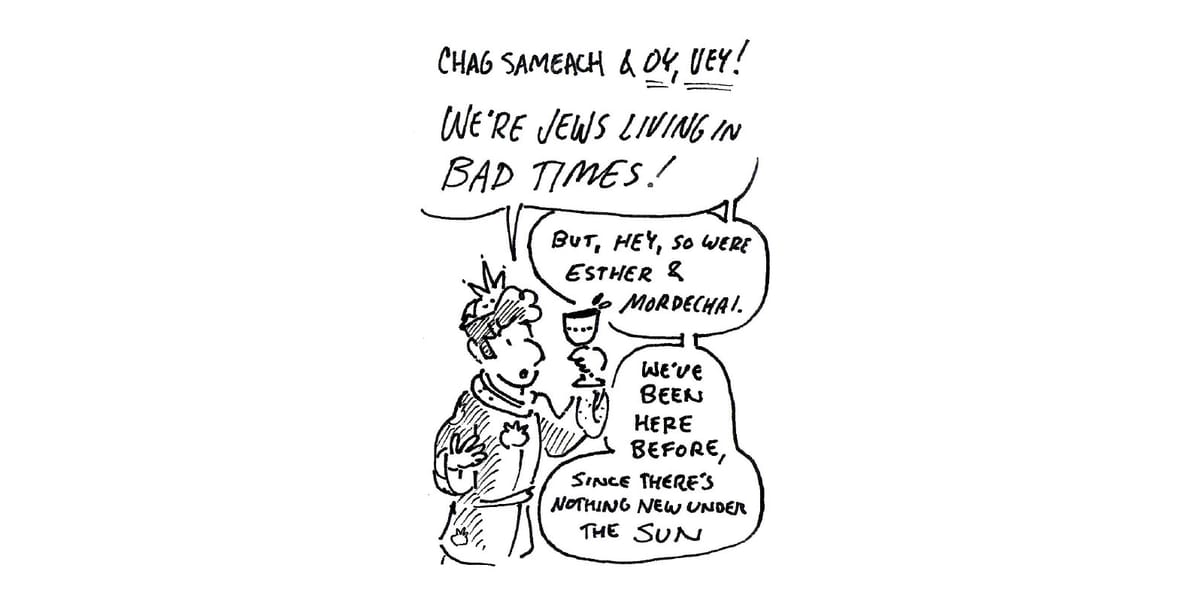
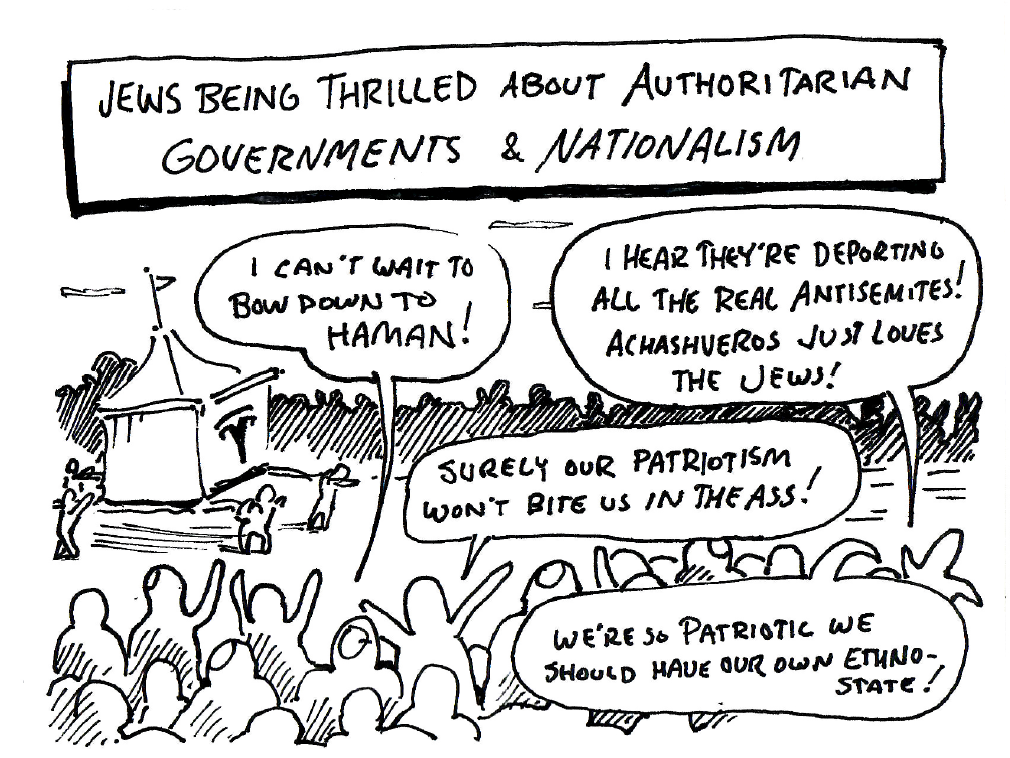
The story of Purim is about capricious state power and the perils of relying upon it for protection. Like every Jewish story, we turn it and turn it and turn it: the narrative can be used for nationalist bloodthirst or as a polemic against empire. This is not my first year reeling from the vast, violent dissonances between interpretations, celebrated by Jews worldwide today. The interpretation of the megillah matters more than the story itself, because without the power of interpretation, one lacks any real ability to understand the story, its meaning or application.
As in: we inherit a text, a tradition, a body of knowledge that contains so many possibilities. What we choose to do with it is what matters for our liberation. I find myself more and more grateful for collective interpretive tools like Purim shpiels (the satirical retellings of the story, often with highly-relevant political overlay), or the rabbinic invention of mishloach manot and matanot levyonim. For many centuries, Jewish communities have made custom out of the need for mutual aid and celebration, not gleeful bloodshed. There is no holiness in the latter. Perhaps this is why G-d's name is absent from the book.
In this era of war-mongering, neighbor-snatching, and authoritarianism, a bad economy follows. The uber-wealthy squeeze money out of everyone. It makes the middle class anxious and tightfisted. It makes my friends struggle to pay groceries and rent.
I have spent the first half of this Purim attending an interfaith Purim Seudah-Iftar and hearing megillah layned by a friend from a tiny scroll. I have spent the second half fundraising and calling community centers to arrange for a memorial service for a dear friend of a dear friend who died suddenly, whose parents are misgendering her at the funeral. Sofia (z"l) was a writer and music maven, and her broader community are gathering to honor her as she deserves. The whole situation echoes of the AIDS crisis. We're gathering money to pay for our disabled friends' cabs, for groceries for those from out of town. I want the other mourners to be as comfortable as possible, and g-d knows that trans communities are struggling at every turn to take care of ourselves and each other.
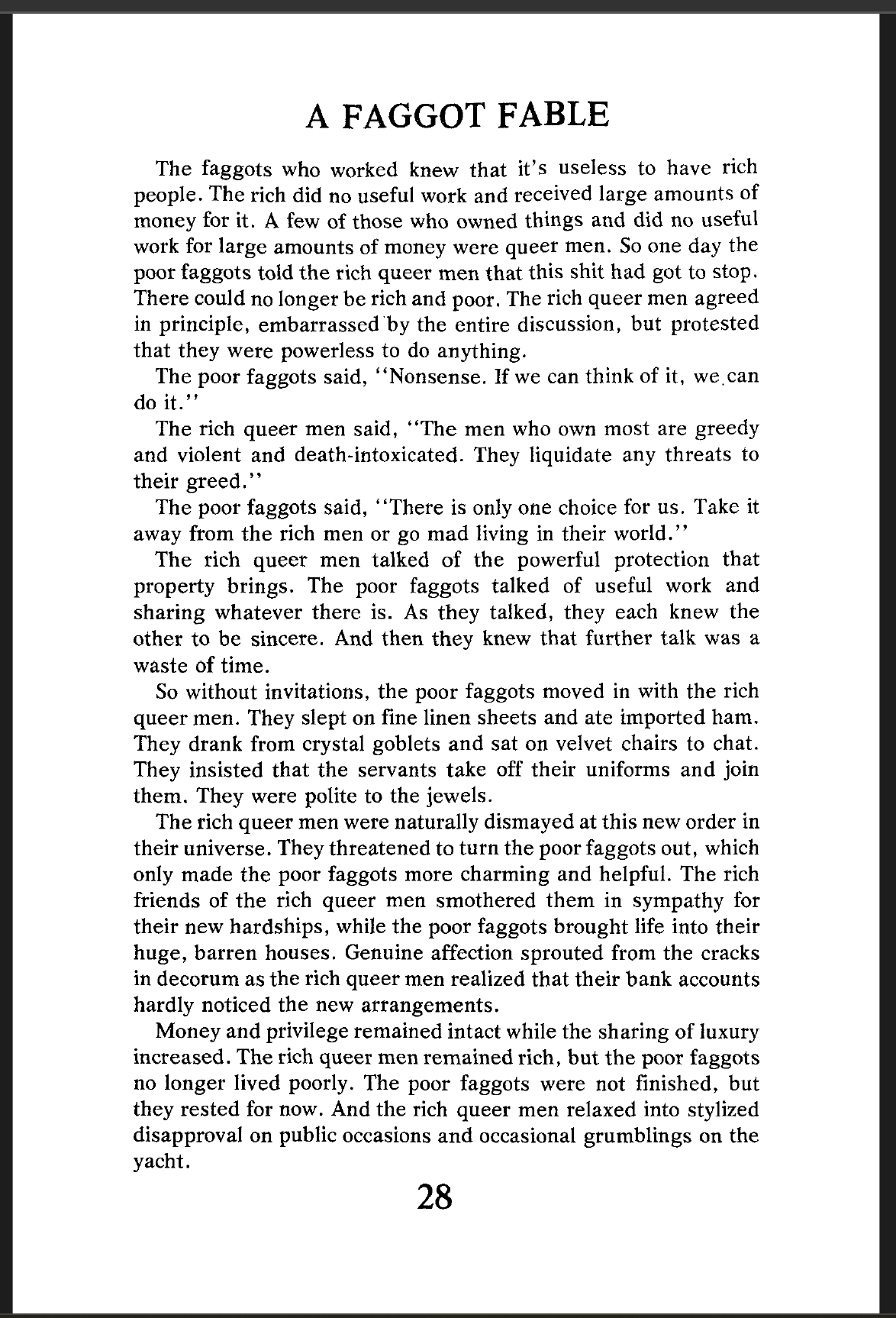
This year, I reject any reading of Megillat Esther that does not see every piece of the plot as a tragedy. But we can reveal the holiness in a story where G-d's presence feels hidden: rabbinic tradition recognized that the material response to any genocide or genocidal regime must be mishloach manot and matanot levyonim, gifts of love to our friends and financial support for those materially struggling. That is redemption in action.
I ask that you, my reader, take seriously these mitzvos this year. If you have not already spent time appraising your obligations of tzedakah, it is increasingly important that you do so. Get your finances in order, know what you have. If money is confusing for you, sign up for a budgeting app (this one has changed my life and my tzedakah abilities, maybe it can change yours—if you've been fortunate like I have, don't let money-ambiguity-anxiety be a reason you don't give what you actually can). This was the topic of my first newsletter.
 Rena Yehuda Newman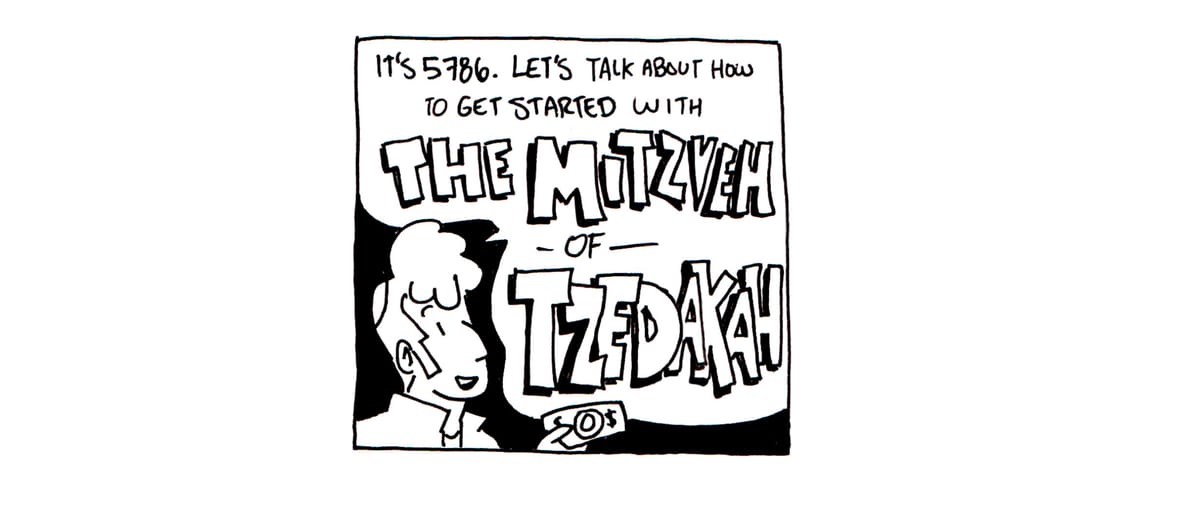
If everyone took upon themselves the 10% number, especially those of us who have safety nets, salaries, or any kind of generational wealth, it would mean the difference between many people surviving or not surviving this regime. That power is in your hands.
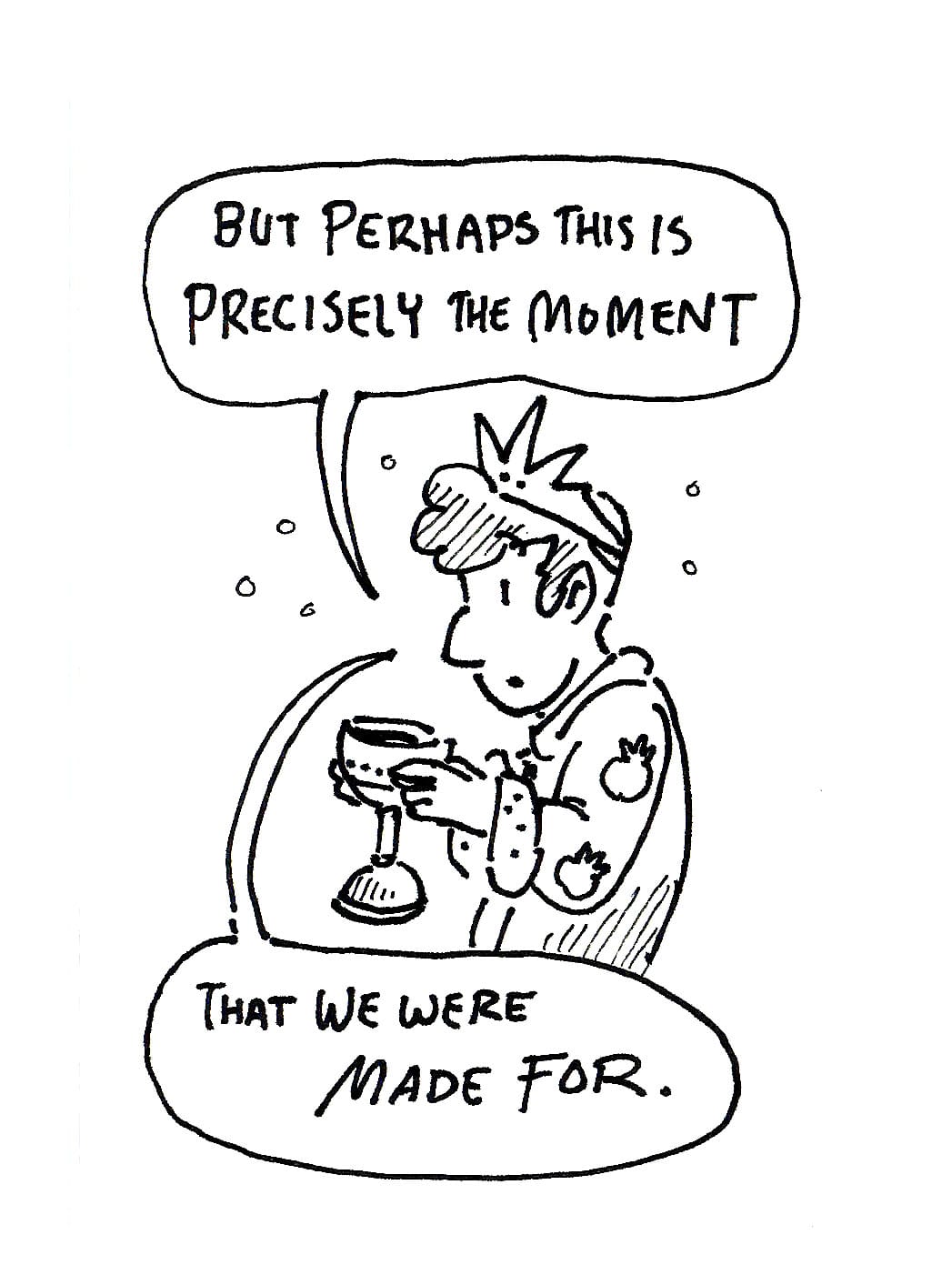
It is not on the King's favors upon which we should rely; not on the sex appeal or cleverness of trafficked girls like Esther, not on the individual interventions of those proximity to power like Mordechai. It is not in the collective punishment or state-sanctioned retribution from which freedom will come. Whether ancient Persian or modern American, it is empire that got us into this mess—looking after one another is the only way out.
Purim sameach.
Thanks for visiting my newsletter. Your readership, feedback, and support means the world to me. Thanks for being here. If you'd like to subscribe, it's always free—but if financially supporting me as an artist is feasible and matters to you, you can subscribe to my newsletter for just $5/month or send a one-time donation here.
If you would like to help with travel costs, groceries, and expenses for trans mourners in my community, you can send donations and matanot levyonim to me at @rena-yehuda on venmo, or purchase a print-at-home copy of my Purim zine from 5785, which includes the illustrations in this newsletter, here.