Why Write A Trans Calendar?
On the American Calendar, today is Black Friday. Yesterday, Thanksgiving. Wouldn't it be nice to have communal holidays that weren't about colonizing people and buying things?
How about subscribing to The Trans Calendar instead?
On opposite sides of the year lie our two Trans holidays: one for display, one for grief. Trans Day of Visibility in the early spring (March 31st) followed by Trans Day of Remembrance in the late autumn (November 20th). Both are during the cold edges of the season. Both were created to acknowledge and raise up central political struggles inside of trans life. And every year, both result in the same set of commentary, namely, that there is so much more to trans life than mourning and the visibility that so often leads to more mourning.
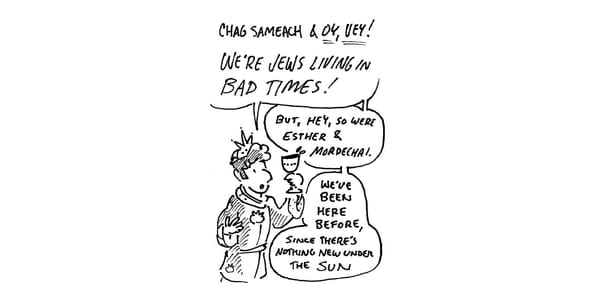
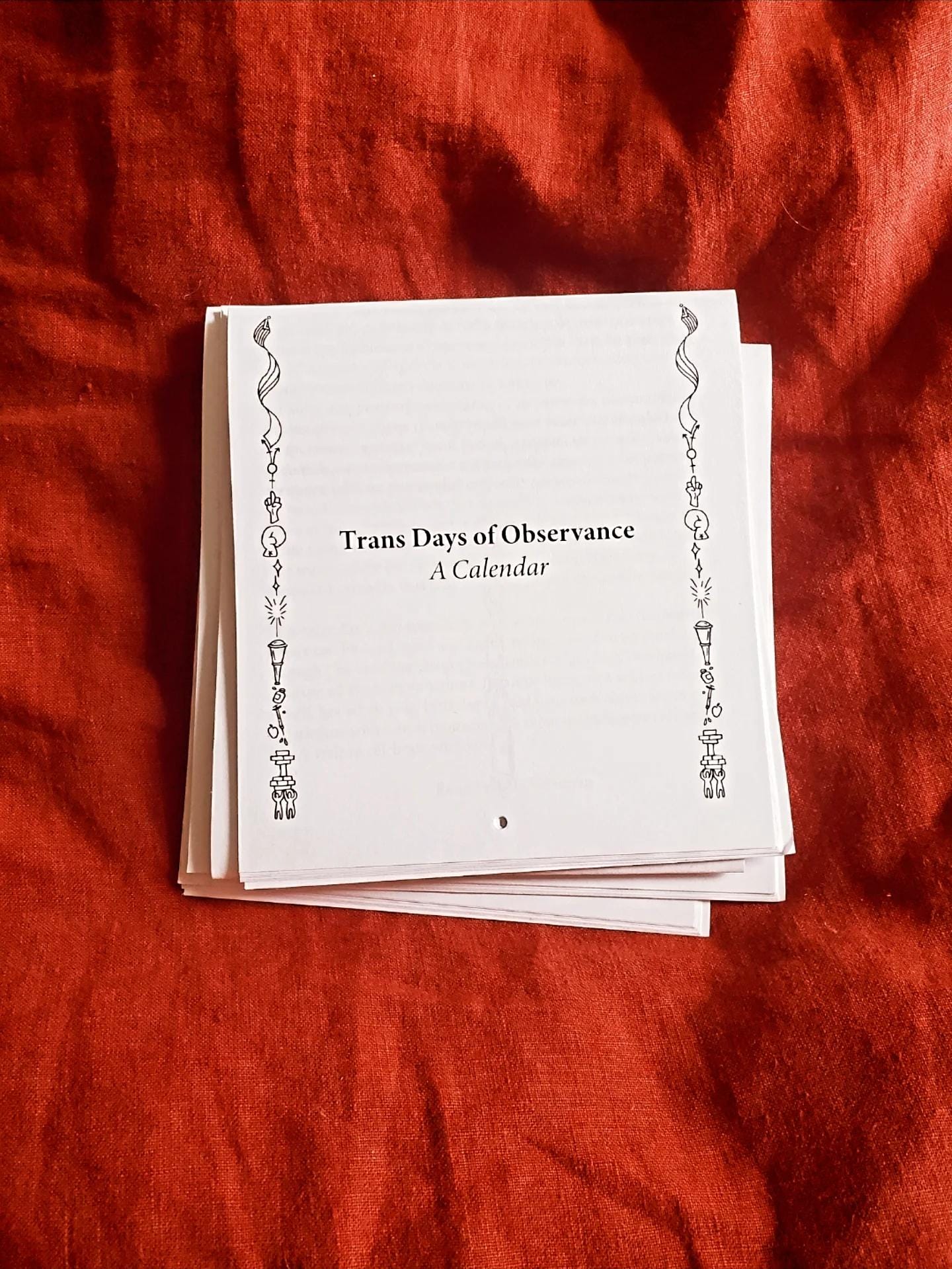
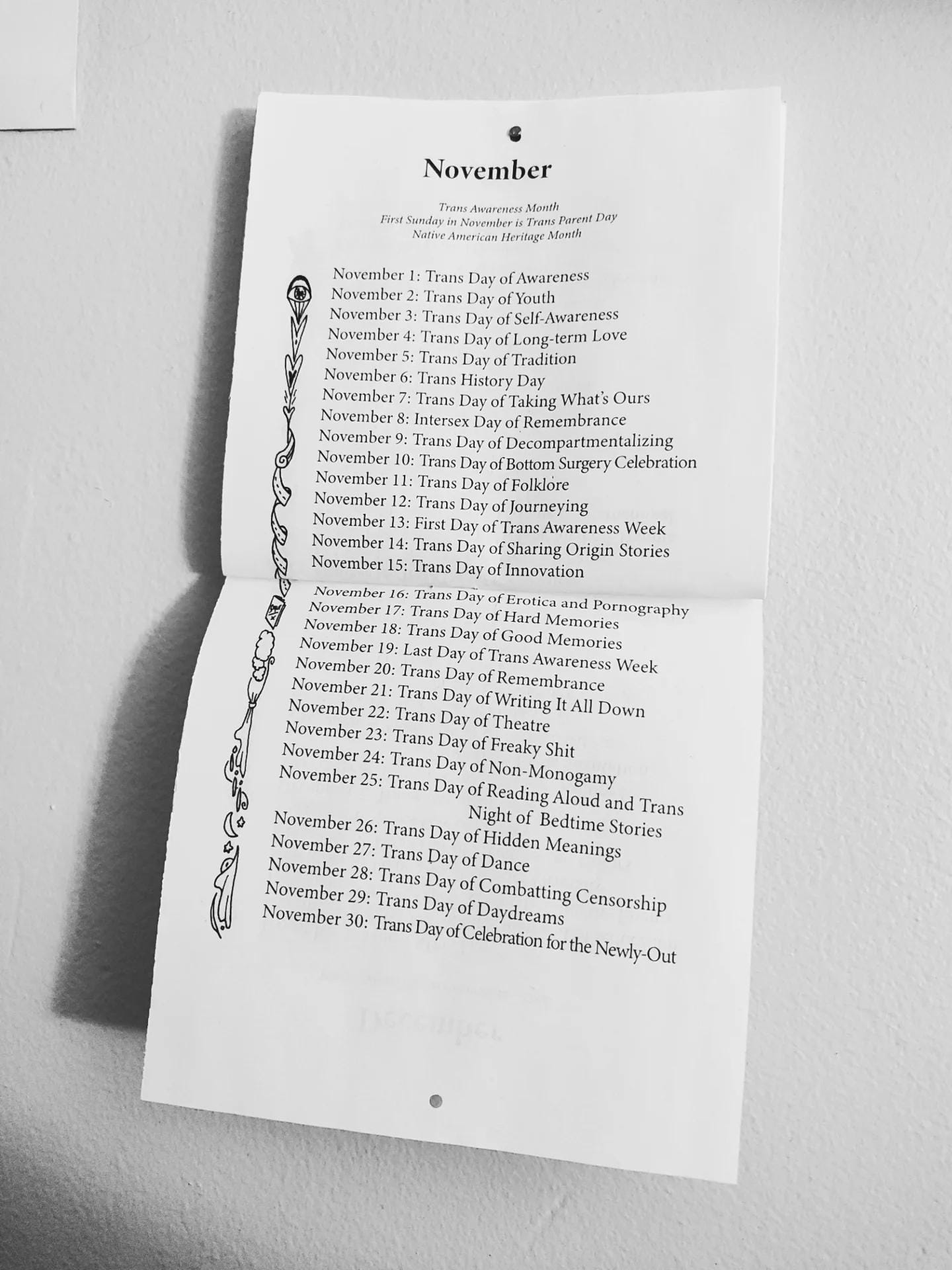
This past year, on Trans Day of Visibility, I released a project called "Trans Days of Observance", more colloquially known as The Trans Calendar. It's easy to print at home and always available for free or what-you-wish.
It was created because of course we need more than two holidays to celebrate the fullness of trans life, both for us and the people who love us. But in making such a project, it also raised significant spiritual questions about the purpose of a calendar, what calendrical time does for us, and why unique groups of people might need one.
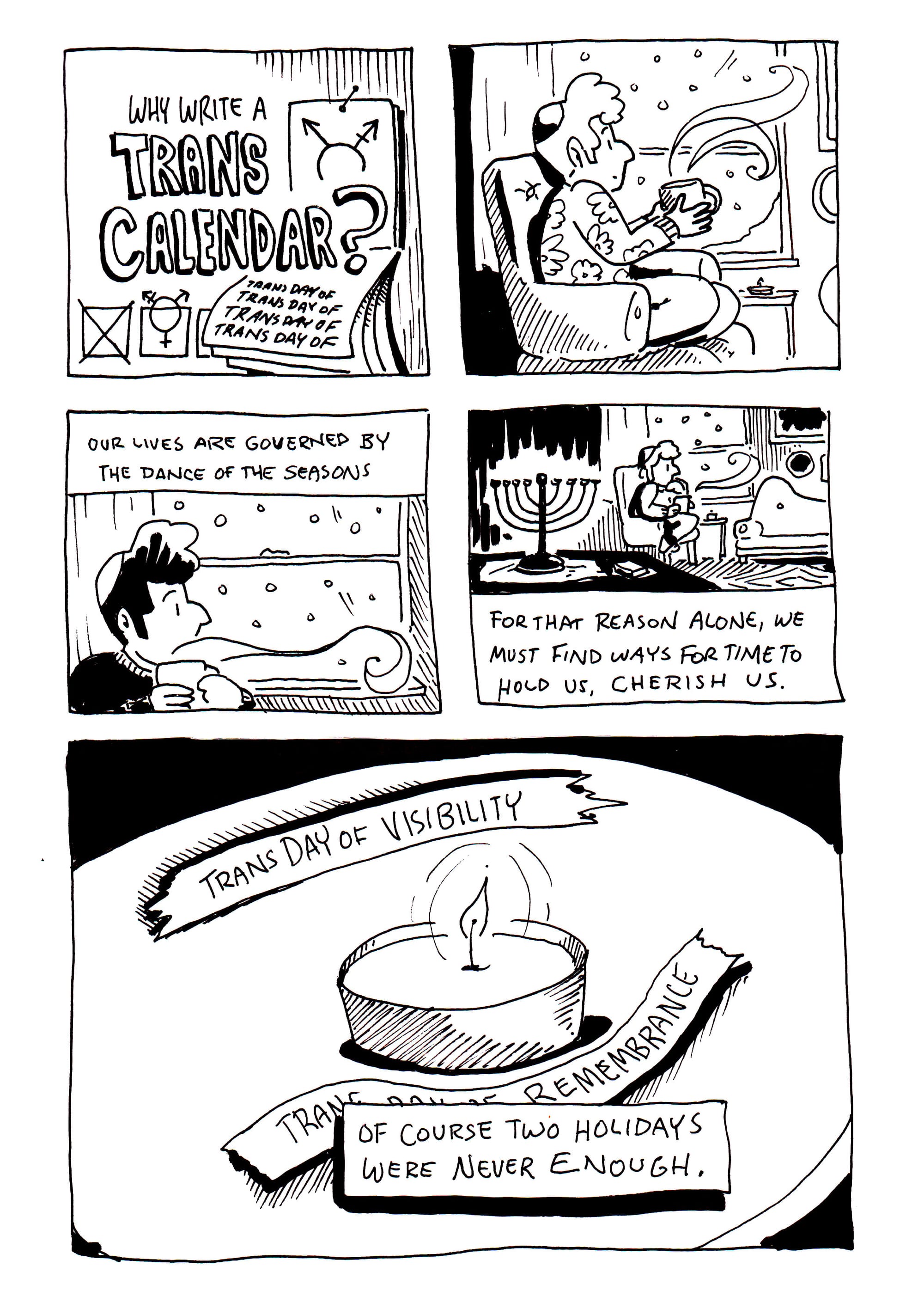
The Trans Calendar started off as a bit to make me feel better: between heartfelt posts about TDoV or TDoR is always some bitter comment about the ways that these two holidays make trans life feel particularly bleak. Jokes about "Trans Day of Vengeance" or "Trans Day of Getting A Little Treat" are common around these times of year, and some people have created particularly beautiful riffs on the idea of more Trans Holidays, like Ezra Furman's poem that tends to circulate around.
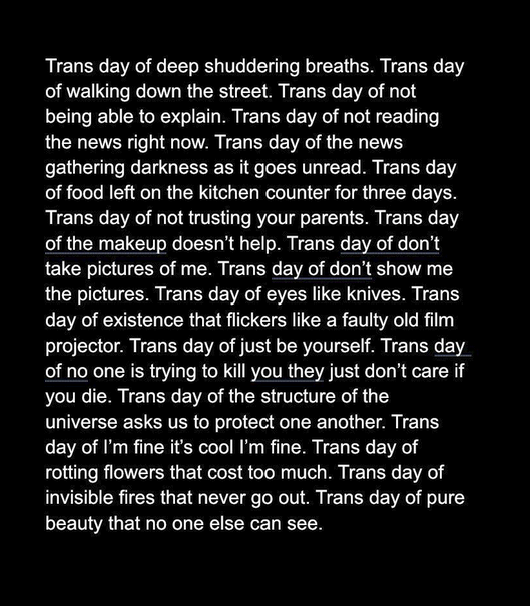
I'm certain that Ezra's words echoed in me when I decided to create a full 365 days' worth of holidays (plus bonus leap-year addition, February 29th, Trans Day of Leaping). I had to make some decisions about its format—initially a standard wall calendar seemed like the way to go, but that would mean it would have to be redone each year as the days and dates changed. Then I had to decide if I would be following the Gregorian Calendar, or my equally native Hebrew one. Would it be lunar or solar? What celestial bodies govern how trans people mark time?
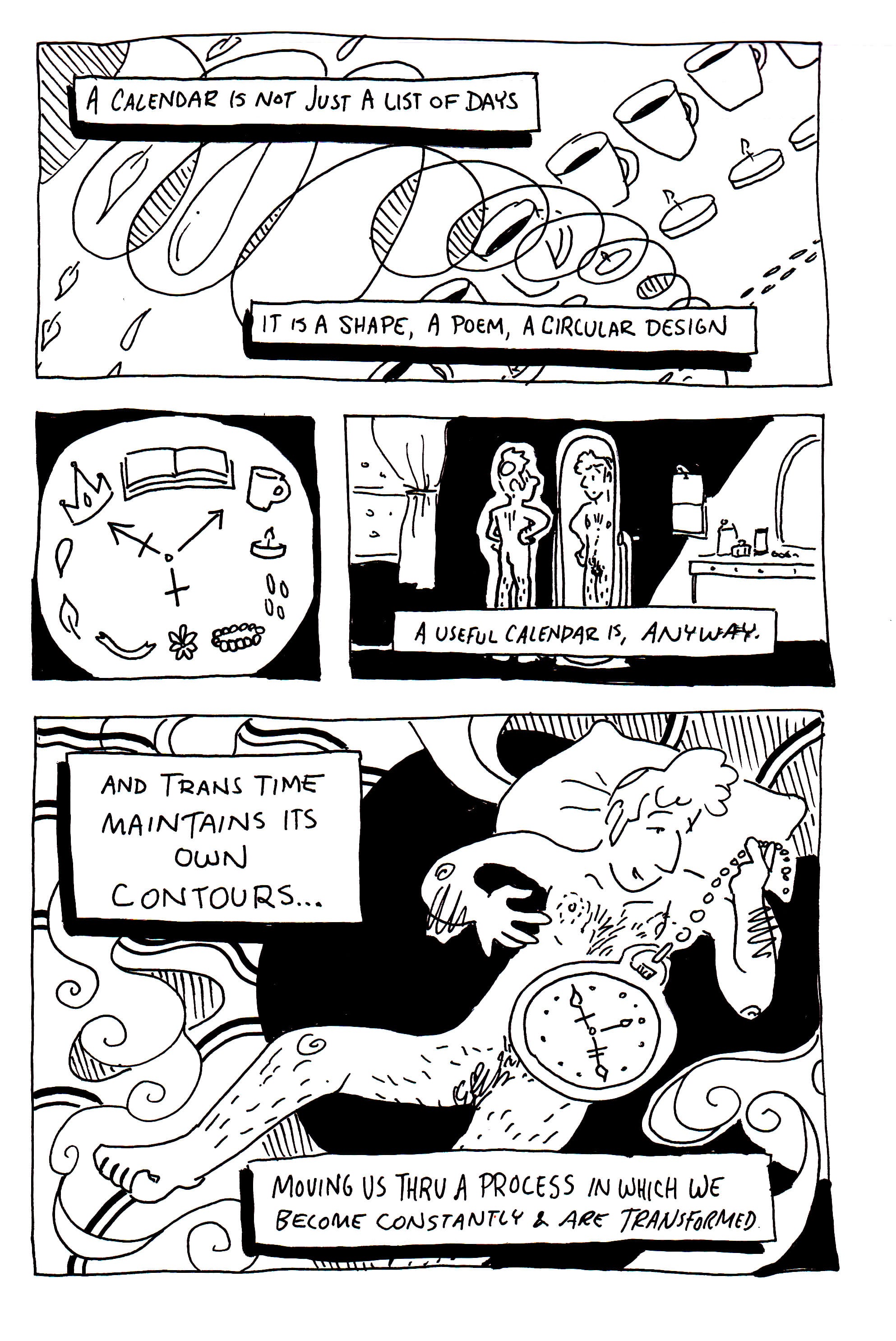
I live a bi-calendrical life, woven (or split) between the Gregorian Calendar and the Hebrew Calendar. Jewish time is the time that my body was made for, that describes my spiritual rhythms and aids me in locating myself in the world of creation, which changes constantly in its seasons and substance. It was created over thousands of years to move Jews through a set of movements and experiences on an annual (and sometimes, 7 or even 50 year) cycle.
Meanwhile, the Gregorian Calendar simply marks the passage of time. I observe it because it connects me to the American business world into which I was born; this observance is perhaps more compulsory than chosen, but I'm inside of it nonetheless. The Gregorian Calendar is essentially the Christian secular calendar, mixed with holidays otherwise decided by the state. I don't observe whatever pieces of it were created for spiritual purposes, so its relevance has much more to do with my ability to function within capitalism rather than guide my relationship to the divine. However, both calendars do what all calendars do: connect people into a shared reality by narrating the significance and specificity of time.
I've always been a bit confused about why it is that, much like the sad two-point routine of TDoV and TDoR, the American Christian secular calendar also seems to only have two significant holiday points on it, Christmas and Easter. A paucity of holidays leaves us without any roadmap for how to understand ourselves through every season. The void of American consumer culture is exacerbated by the absence of any real meaningful celebrations. Thanksgiving highlights that void: a holiday supposedly about gratitude that both celebrates and wallpapers over the genocide of native people. If that's the most meaningful the American calendar gets, you can count me out (and I might recommend tuning into the recorded livestream for the Plymouth National Day of Mourning instead).
My biggest issue with the Gregorian Calendar is that it sees change as something located outside of us—the seasons, the planets, the temperature—rather than something we're deeply implicated in, affected by, inside of, and sometimes even co-creating.
It's not enough to throw a party for a commemorated person; we need ritual, we need theme, and we need those experiences to be deepened through years and years of returning to those observances over and over again. If the adage goes that we never return to the same river twice, then it's equally true that we never return to the same holiday twice: time is a spiral. What makes that holiday so meaningful is the stack of memories that we return to when we greet it each year. A holiday is like a palimpsest—it has layers of meaning, and while the basic rituals and observances may stay similar over time, our experiences of them are transformed by nature of who we've become.
Being alive is a process of becoming. Time is the medium through which that becoming takes place. A Trans Calendar must then be a tool that guides us in our multiple processes of becoming: bodily transformation, experiences of exile and redemption, paradigm explosions, the finding and creation of family, expression of spirit, celebrations of love for ourselves, each other, and the source that animates us.
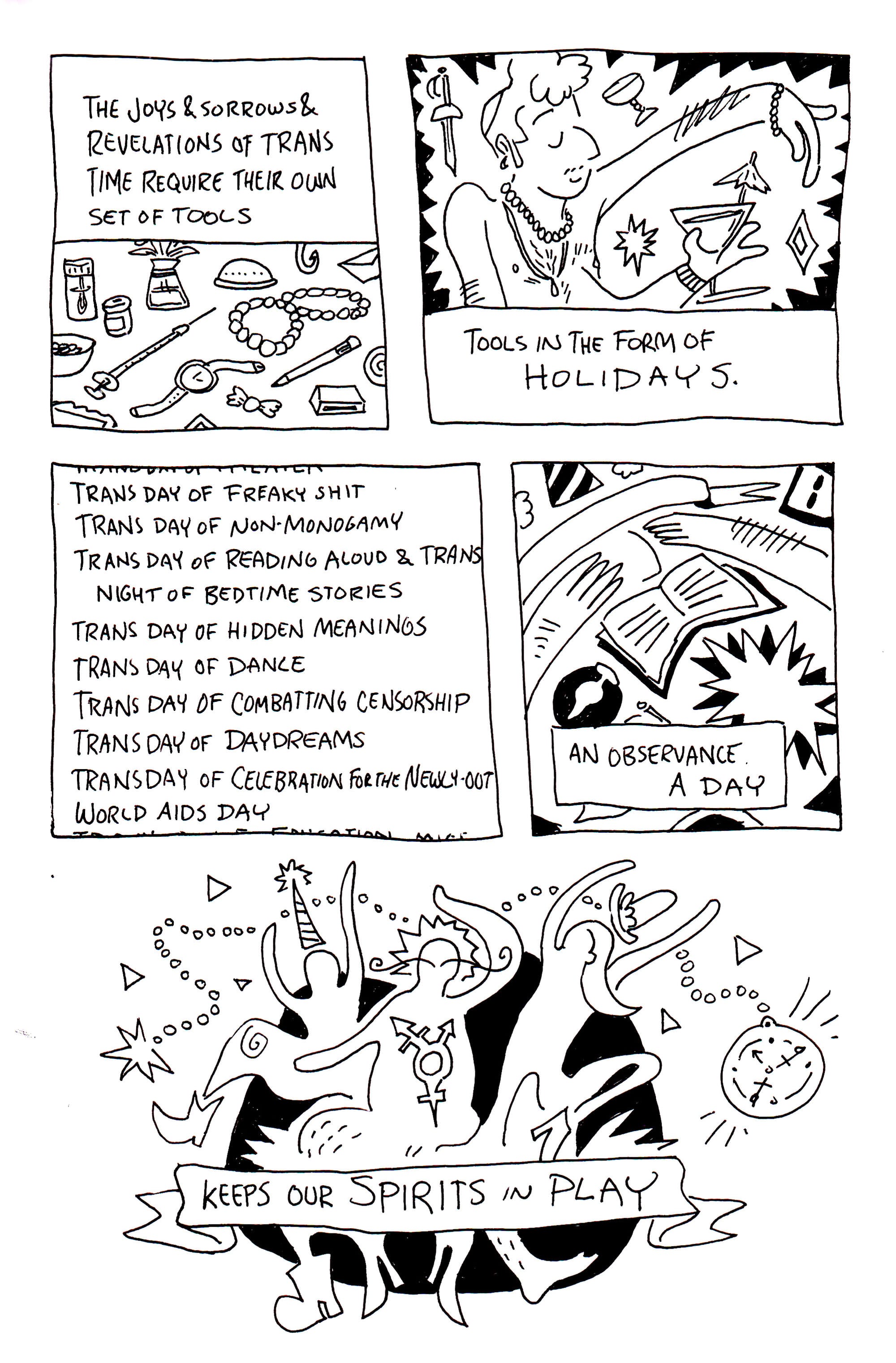
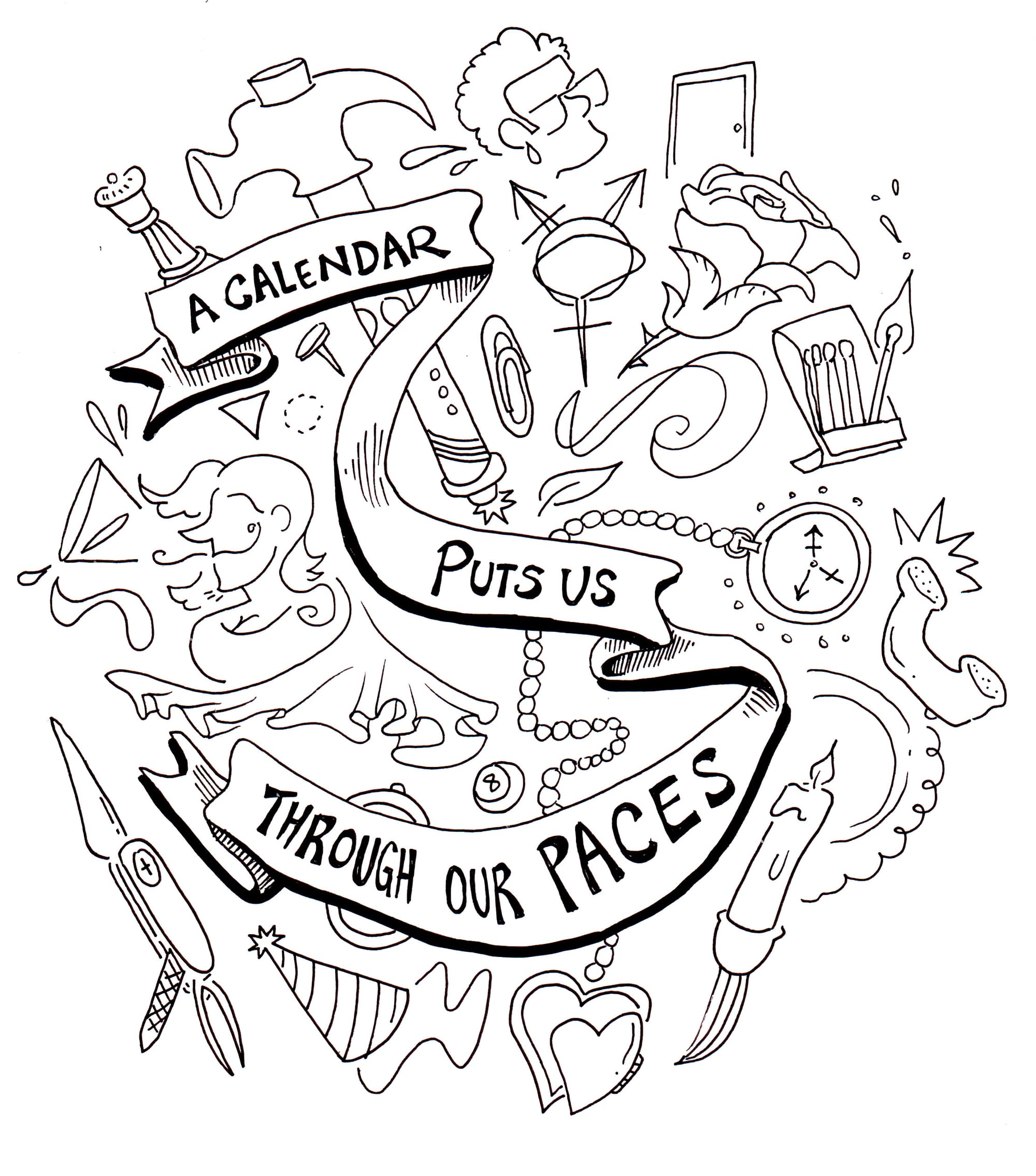
Calendars preside over my experience of time. In following the Jewish calendar, every height of summer I engage in communal mourning on T'sha b'Av. Every end-of-summer in Elul I begin a process of accounting for my own actions, making teshuva, repentance and return, and beginning the journey up to the High Holidays. Every autumn in Sukkot I think about ephemerality and place. Every spring for Pesach, I encounter memory, storytelling, and liberation. Every Shabbat, I rest. When I subscribe to a calendar, I am submitting to the processes embedded inside of it. The calendar puts me through my paces.
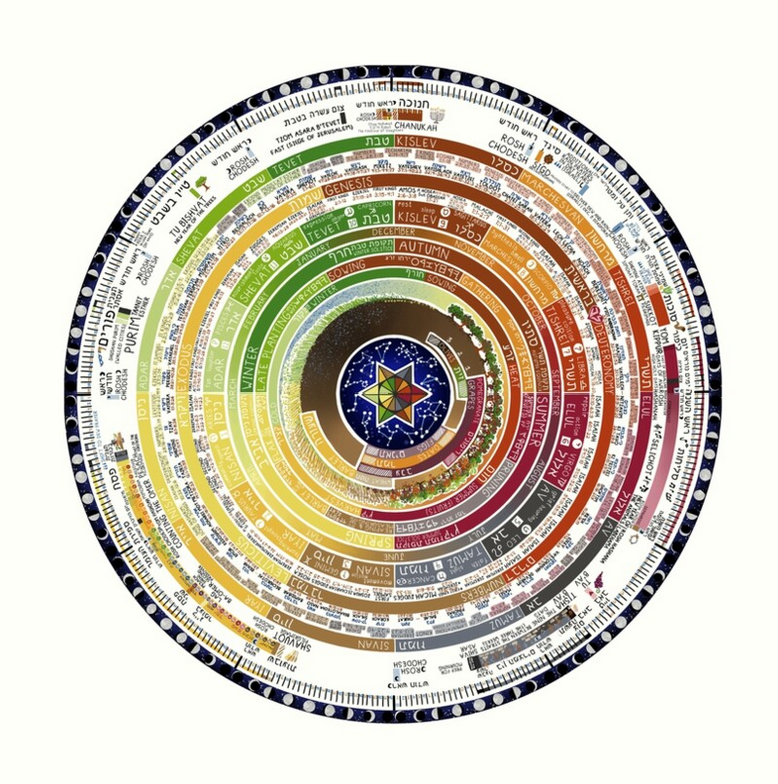
Each calendar is idiosyncratic. Every tradition has different values and ideas emphasized through what constitutes a holiday or observance. People follow all kinds of calendars: Acadmic, sports-based, religious, hormonal, or seasonal work-based calendars. What calendars do you follow? You can tell a lot about both individuals and groups based on their calendars—what does "Mothers Day", "Fathers Day," and "Black Friday" say about American culture?
A worthy calendar gives us exercises that both challenge us and guide our growth. It calls us to our higher selves, is useful in the process of refining our actions and sense of purpose. Like any good workout, a calendar works a well-rounded repertoire of spiritual muscles. But importantly, it's not something we do entirely alone.
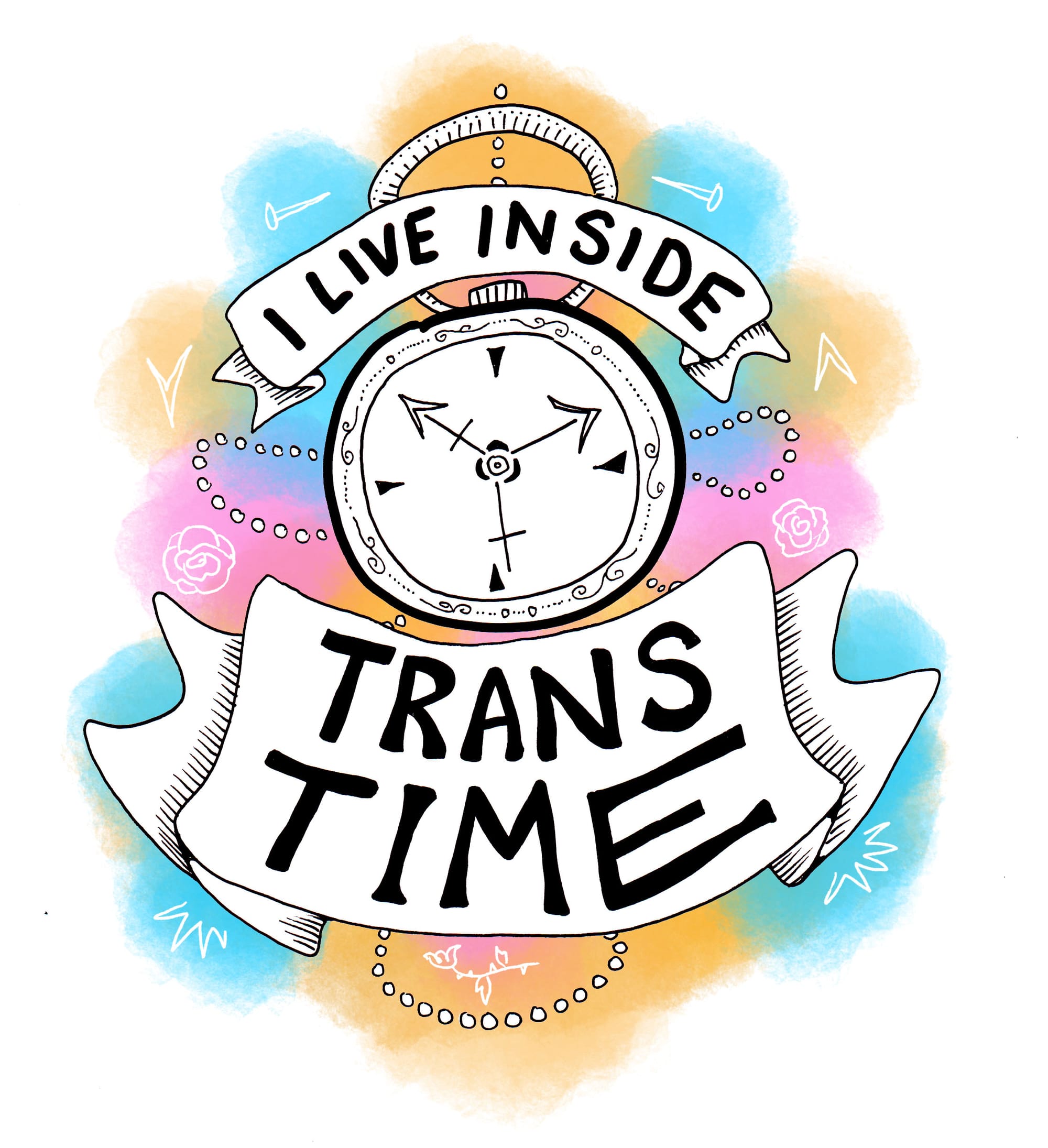
In creating a Trans Calendar, I wanted to build a blueprint for a year of observances that are attuned to the kinds of spiritual challenges, comforts, and celebrations that we specifically need—and allows us all to tap into these experiences at the same time, rather than at random. Trans people often experience being out-of-time: we are so much older than our age in years, and in other ways, feel so much younger. I have often felt stunted, going through a second and even third puberty long after my cisgender peers. I didn't have romances in high school or college like straight people, won't be creating a family that looks like the one I came from. I feel like an ancient child or a naive wiseman. But really, I exist in "trans time." When using milestones not meant for me, everything feels too early or too late. A Trans Calendar illuminates how our lives are actually right on time.
One of the hardest parts of transsexuality is that it is rarely an inherited identity; unlike most peoples' experiences of religion, ethnicity, race, and other identities, we don't acquire or meaningfully learn about transness from our families or communities of origin. Nearly every trans person feels like they're the first—even many of us who were fortunate enough to have trans rolemodels or peers ahead of our coming out. It's incredibly alienating to feel that you're constantly starting from scratch. Trans history is fragmented, and more fragmented by the fact that only a fractured percentage of us choose to seek it out in order to locate ourselves within a tradition. Fewer still are able to successfully find and cultivate relationships with elders. This absence creates all kinds of crises, not just from loneliness but because we lack any collective container for the most significant-but-intangible aspects of trans experience.
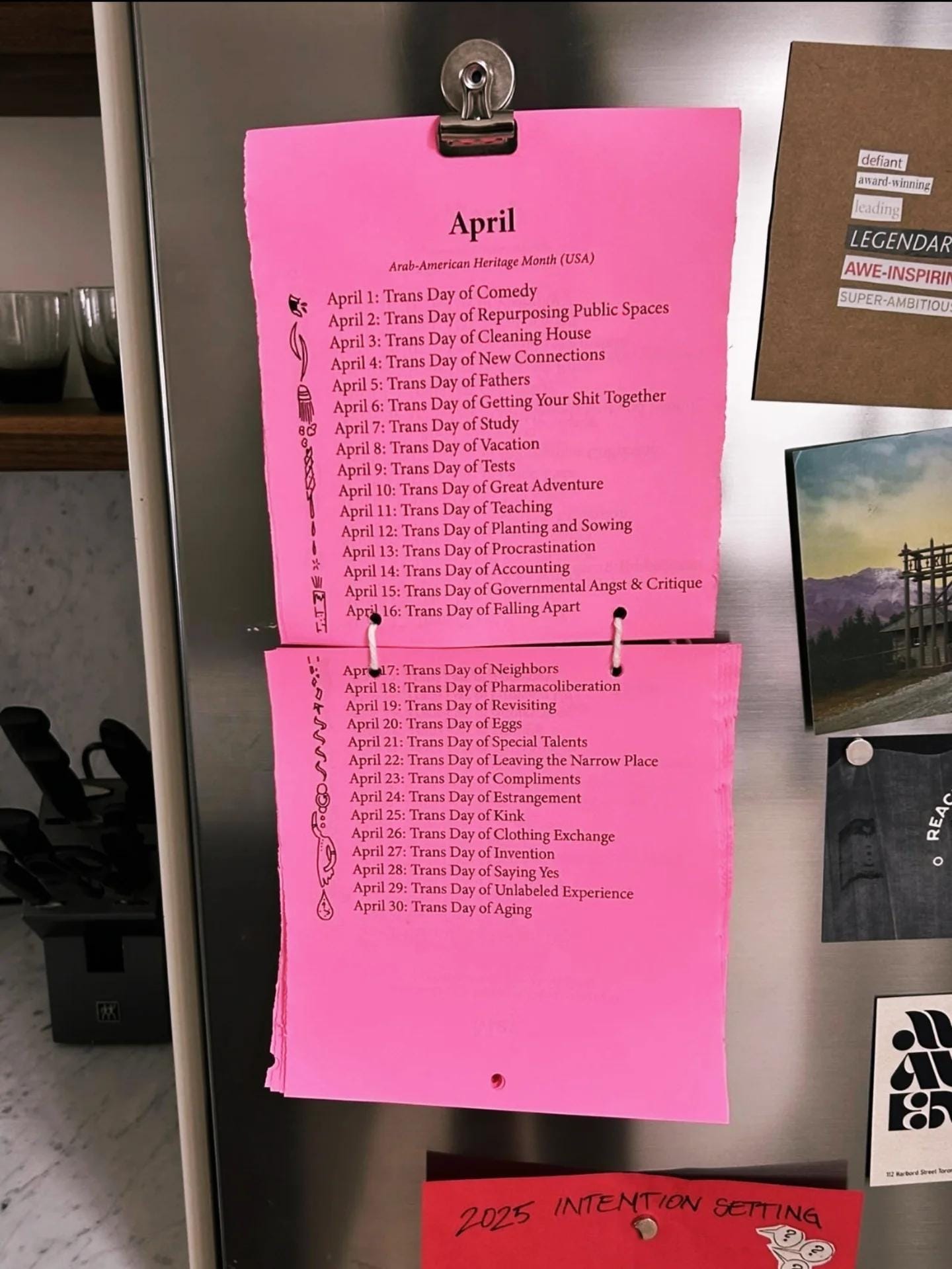
Celebrating days like "Trans Day of Simple Pleasures", "Trans Day of Striking Out", and "Trans Day of Revenge Fantasies" are in dialogue with "Trans Day of Writing It All Down", "Trans Day of Uncertainty", and "Trans Day of Mercy". Trans life is not a monolith. We need holidays that allow us multiplicity and encourage us to seriously explore it together.
Many trans people have an orientation towards spiritual leadership. All of my favorite transsexuals have a gospel of their own. I believe strongly that this is the natural result of intentionally undergoing an intense experience of self-transformation, pursuing desire that is totally necessary and totally sacred. You have to be really right and real with yourself to walk this path—a clarity that's foundational within leaders across traditions. In order to hone these abilities, we must have a relationship to time that enables us to refine the raw gems of truth revealed inside the act of transition.
My relationship to Judaism, (chassidic philosophy, especially) has been crucial in my ever-ongoing process of transition; it gave me an enormous toolkit to understand the holiness of my own becoming. It gave me frameworks to understand yearning, struggle, joy, grief, memory, and transformation in the context of divinity. I've watched my peers be forced out of their spiritual inheritances which, regardless of if they chose to live inside of a religion of origin, still may offer them tools that can contextualize their gifts and experiences of the sacred. I was lucky to inherit a spiritual tradition that feels like home. I used echoes of the Jewish calendar to construct the Trans Calendar, but it sprang from a desire for all of my trans comrades to have access to at least one structure of spiritual time built by us, for us.
We all deserve opportunities for communal observance that understand trans spirituality as a central need unto itself, rather than experiences that are simply incidental to our work for political recognition. If we don't place value on trans spirituality, transness just becomes one more political label rather than a site of actual liberation. When we emphasize this value, we rise above the petty dramas and horizontal hostility, creating something incredibly beautiful and necessary for whatever world comes after this one—and I'm not talking about the afterlife.
I dream of hearing peoples' interpretations of each Trans Day. I dream of trans people creating rituals to accompany these holidays. I dream of a few of these days becoming widely celebrated in ways I couldn't have expected. I dream of seeing what sticks. I dream of hearing about strange and exciting concordances between serendipidous dates. I dream of trans people trashing some of the holidays on this calendar and inventing new ones. I dream of trans people bringing their other calendars to bear on this one. I dream of a calendar that I didn't make, but we all made together over hundreds, if not thousands of years, because we survived and perserved our memories well enough that they were able to be transmitted across time and place and culture, so we can recognize each other in every era and landscape, and celebrate together in every generation.
Every day is imbued with holiness. May this calendar be a way of revealing it for all of us who find G-d in gender and who daily run towards ourselves in pursuit of the sacred.
In honor of National Day of Mourning on many indigenous calendars within Turtle Island, I recommend looking up who's stolen land you're on or have visited with this remarkable map, then making a donation to that local nation this weekend. It's always a good time to give tzedekah for Land Back.
Thanks for being here. Your readership, feedback, and support means the world to me. If you'd like to subscribe to my bi-monthly newsletter, it's always free—but if financially supporting me as an artist is feasible and matters to you, you can subscribe for just $5/month or send a one-time donation her